Dry Needling in Lake Charles
Precise, evidence-based trigger point release that quiets tight, painful muscle and restores freedom of movement without drugs or manipulation.
What is dry needling?
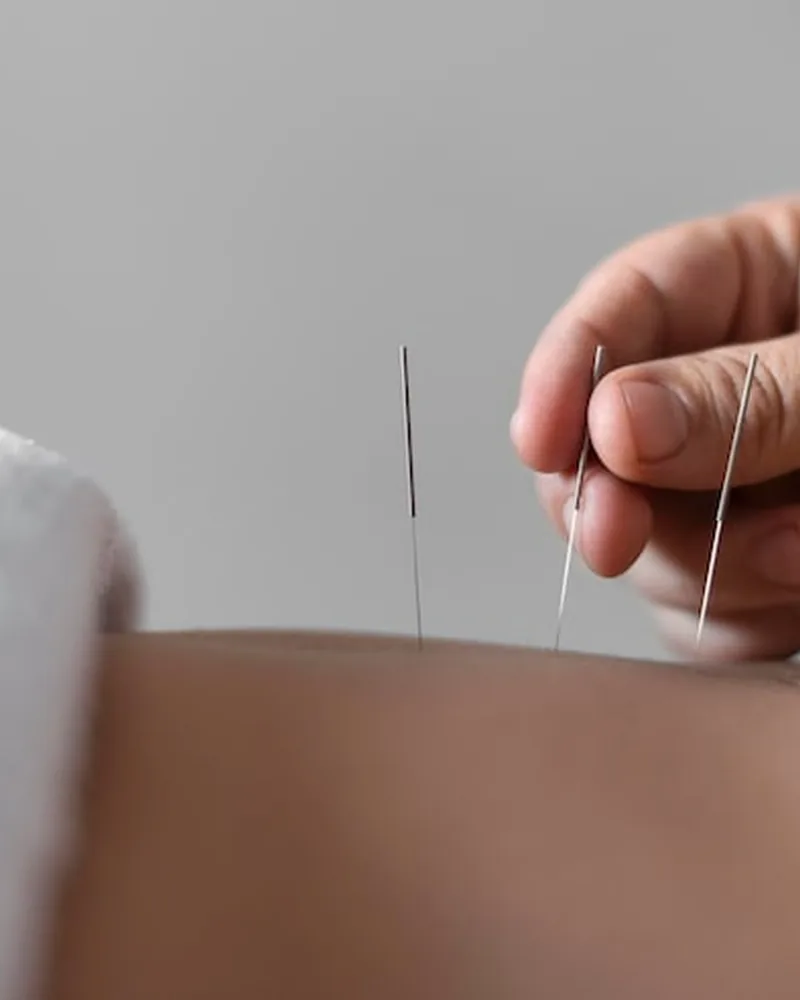
You have stretched it, rolled it, heated it and had someone dig an elbow into it. The knot is still there. Dry needling is a technique for exactly that problem: a thin, sterile, solid filament needle placed directly into a taut band of muscle that will not release on its own. Nothing is injected, which is where the name comes from. It is not acupuncture. Acupuncture works from a traditional meridian framework; dry needling works from anatomy, and the therapist is aiming at a specific palpable point in a specific muscle they have already identified as part of your problem. Often the muscle answers with a brief involuntary twitch, then lets go. Some people describe a deep ache for a few seconds, some feel almost nothing, and either response is normal.
Here is the honest framing: dry needling is a tool inside a physical therapy plan, not a cure and not a standalone treatment. It buys a window. A muscle that has been guarding for months will not tolerate the strength work that actually changes things, and needling can quiet it enough that the work becomes possible. What holds the change is what you do in that window. Your therapist evaluates you first, decides whether needling is appropriate for your case, and pairs it with loaded movement. If it is not the right tool for you, they will say so.
Who it's for.
Needling suits a narrow problem: muscle guarding hard enough to limit what you can do. It is not for every kind of pain, and your therapist decides case by case.
The neck and shoulder that never fully let go
You sit at a desk or drive for a living, the upper back stays tight all week, and turning your head to back out of a driveway is a project. Massage helps for a day. Needling reaches the taut band under it, and the strength work that follows keeps it from resetting. The outcome: more usable neck rotation and a plan for the hours that cause it.
A muscle that keeps limiting your rehab
You are already in therapy for a hip, calf or shoulder, and the same muscle shuts the session down before the useful part. Needling it can open enough tolerance for the loaded work to happen. The outcome: your sessions stop stalling in the same place and the strength work progresses again.
Long standing pain in one specific spot
You can point to it with one finger, and you have been doing that for months. Deep in the glute, along the shoulder blade, the outside of a hip. Broad approaches keep missing it because the spot is small and deep. The outcome: relief in the exact area, and an answer on whether that muscle was the driver.
What to expect in a session.
Needling is one part of a 30 to 60 minute visit, not the whole visit. Here is how it goes.
Screening, consent and finding the point
Before a needle comes out, your therapist screens you: current medications, bleeding or clotting history, pregnancy, skin condition over the area, and whether you have been needled before. They explain what you will feel, answer questions and get your consent, and you can decline at any point without changing the rest of your plan. Then they palpate the muscle to locate the taut band, position you so the area is supported, and clean the skin.
The needle, and what it feels like
A single use sterile needle goes into the marked point. Most people feel light pressure and then a deep, dull ache that lasts a few seconds. Sometimes the muscle answers with a quick involuntary twitch, which tells the therapist the point was accurate. Depending on the area your therapist may treat two or three points. Tell them if anything feels sharp, electric or radiating rather than achy, because that is a signal to reposition. Needles go straight into a sharps container afterward.
Move it while the window is open
You get up and move right away, because a quiet muscle is only useful if you use it. The rest of the visit is the actual therapy: motion through the range you just gained, then strength work so the muscle has a reason to stay released. Most people attend two to three visits a week for four to six weeks, and many notice a change within the first few weeks.
Who performs it. Dry needling here is performed only by a licensed physical therapist trained in the technique, and only after an in person evaluation. It is never booked as a walk up service.
Who should not have it. Needling is not done over broken skin, an open wound, a fresh surgical incision, an active local infection, a rash or a sunburn, and it is not used over an area of active cancer or in a limb affected by lymphedema. Tell your therapist before your first session if you take a blood thinner or have a bleeding or clotting disorder, have a compromised immune system, are pregnant, have a metal or nickel allergy, have a pacemaker or other implanted device, have lidocaine or latex allergies, or have a strong fear of needles. Some of those change the approach, some rule needling out entirely, and that is a decision your therapist makes with you rather than a box you tick at the desk. Children and anyone who cannot give informed consent are not needled.
What to expect afterwards. Mild soreness in the treated muscle, similar to the day after a hard workout, is normal and usually lasts 24 to 48 hours. A small bruise or a spot of pinpoint bleeding at the site is also common. Light movement, warmth and water help it settle; hard training the same day usually does not. Call (337) 478-5880 if soreness is severe, spreading, or lasting more than a few days, or if you notice increasing redness, swelling or warmth at the site. If needling leaves you lightheaded, tell your therapist and stay seated.
Where to go next.
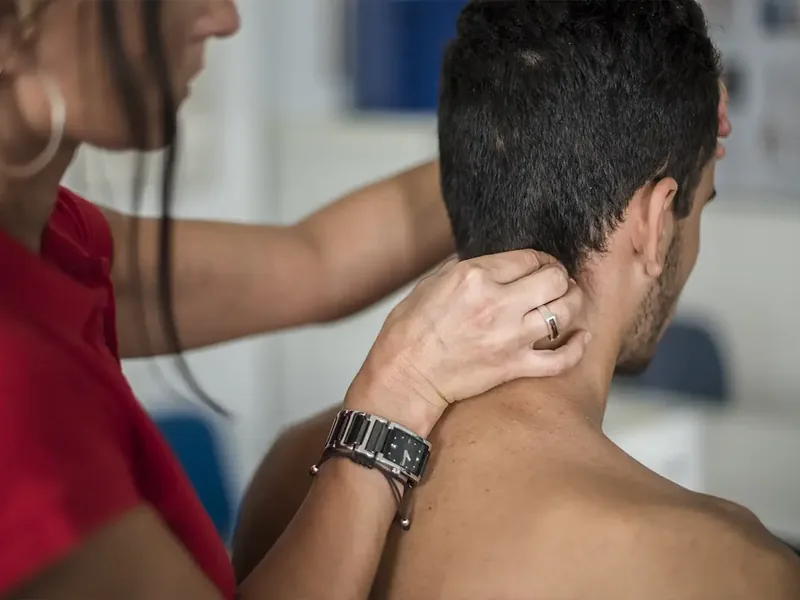
Neck Pain
The area we needle most often, and what has to change around it for the relief to hold.
Learn More →
Chronic Pain
When pain has outlasted the injury, needling is one tool in a longer, graded plan.
Learn More →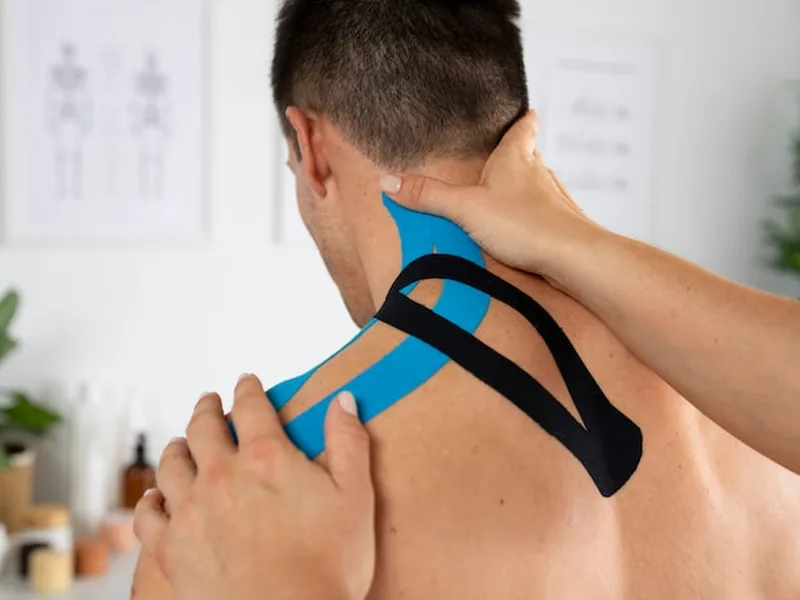
Kinesio Taping
The other in session add on, used to support a muscle or joint between your visits.
Learn More →