Kinesio Taping in Lake Charles
Elastic therapeutic tape applied by a licensed physical therapist, so the joint or muscle you are rehabbing keeps its support between visits.
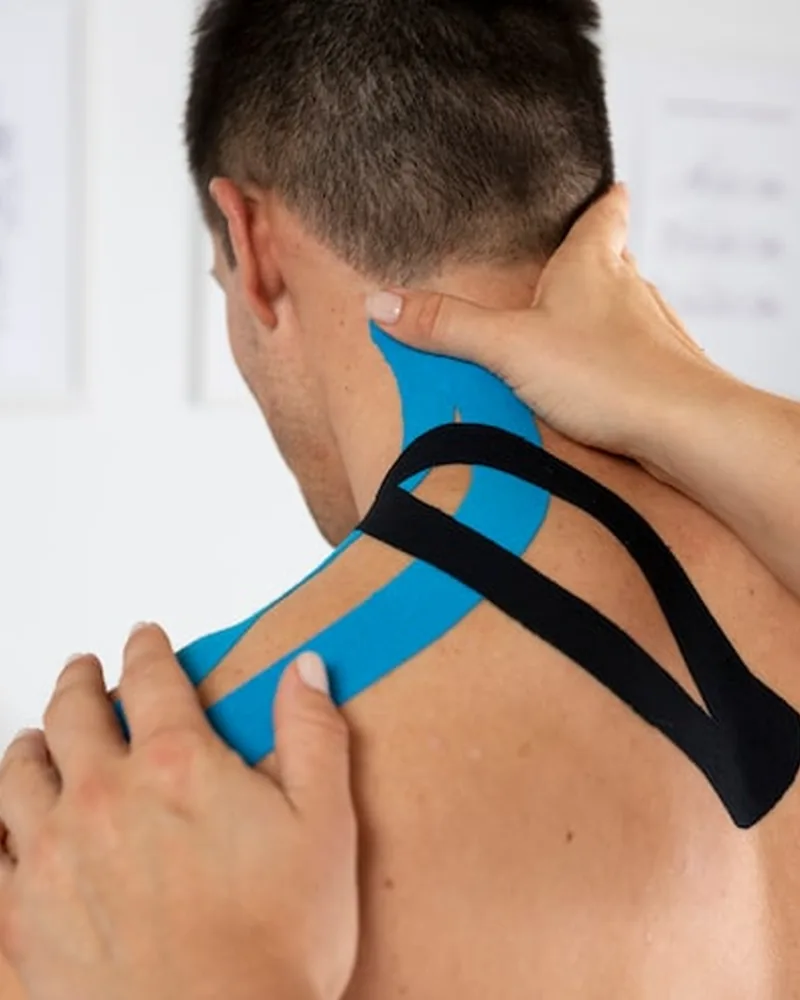
What is kinesio taping?
You have seen the colored tape on an ankle at a track meet and assumed it was decoration. It is not, and it is also not magic. Kinesiology tape is a thin elastic cotton strip with an adhesive backing that stretches roughly like skin does. A licensed physical therapist applies it over a specific muscle or joint, at a specific tension and direction, to do one narrow job: change how that area feels and behaves while you move. Depending on how it is laid down it can cue a muscle to work, discourage a joint from drifting into the position that hurts, take some pull off an irritated tendon, or give the skin a light lift that helps swelling drain. Unlike rigid athletic tape, it does not lock the joint. You keep your range of motion, which is the whole point, because the goal is to keep you moving, not to immobilize you.
Be clear about what tape is and is not. It does not heal tissue, it does not replace strength work, and no strip of tape has ever fixed a movement problem on its own. What it does well is extend a good session. Your therapist gets your shoulder moving cleanly in the clinic, then tapes it so that pattern holds through the two or three days before you come back. That is why taping here is applied inside a plan rather than sold as a service you book by itself.
Who it's for.
Taping earns its place when the days between appointments are where progress gets lost. These are the three situations it helps most at our Lake Charles clinic.
A joint that behaves in clinic and not at work
Your shoulder moves fine during the session, then eight hours of overhead reaching drags it back into the position that hurts. A strip across the upper back gives you a constant reminder without having to think about it. The outcome: fewer end of day flares, so you start the next session where the last one finished.
A swollen ankle, knee or hand after an injury
Two weeks after the sprain the pain has faded but the puffiness has not, and stiff swollen tissue does not move well. A light lift taping applied over the area supports drainage while you keep walking and working. The outcome: swelling that settles faster, and a joint that bends further because there is less fluid in the way.
Returning to training with a tendon that is still touchy
An Achilles, a kneecap tendon or an elbow that tolerates rehab but complains when you run or lift. Tape can offload some of the pull so you can keep the training volume that is actually building capacity. The outcome: you keep training through the rebuild instead of stopping and starting over.
What to expect in a session.
Taping is a few minutes inside a 30 to 60 minute visit. Here is where it fits and what happens after you leave.
Decide whether tape is the right tool
Your therapist does the movement work first, because tape is applied to hold a result, not to create one. Once they can see what changed, they decide whether the days between visits are likely to undo it. They also check the skin over the area and ask about allergies and past reactions to adhesives or bandages. If taping is not appropriate they will say so and use something else instead, usually a home exercise or an activity change.
The application
The skin gets cleaned and dried, and hair over the area may need trimming so the tape can grip and come off comfortably later. Your therapist positions the joint, often with the muscle stretched, then lays the strips down at a chosen tension and rubs along them to activate the adhesive with heat. It takes a few minutes. The tape should feel like a light pull on the skin, never a squeeze, and you should not lose motion. You will be asked to move right away so both of you can confirm it is actually helping.
Living with it, and what comes next
You wear it home and carry on normally, including showering. Your therapist tells you how long to keep it on, what to watch for, and how to take it off. At your next visit they ask what the tape changed, because that answer guides the plan. Taping is not meant to be permanent: as your strength and control improve, it comes off for good. Most people attend two to three visits a week for four to six weeks, and many notice a change within the first few weeks.
Wear time. A single application usually stays on for two to five days, including showers and swimming. Pat it dry rather than rubbing, and skip the hair dryer. Edges fraying by day three is normal. Once it is peeling at both ends it has stopped doing its job, so take it off.
Skin sensitivity. Tell your therapist if you have sensitive or fragile skin, eczema, psoriasis, a history of reacting to adhesive bandages, or a latex or adhesive allergy. If there is any doubt we apply a small test strip first and check it at your next visit before taping a larger area. Tape is not applied over broken skin, an open wound, a fresh surgical incision, an active rash, a sunburn, an area of active infection, or a limb affected by lymphedema or a known blood clot.
Removal, and when to call. Remove tape slowly in the direction your body hair grows, ideally in the shower with the tape wet, pressing the skin down as you peel rather than yanking it straight up. Baby oil or lotion helps loosen stubborn adhesive. Take the tape off and call (337) 478-5880 if you get itching, burning, a rash, blistering, or a raised red border, or if the area under the tape starts to feel numb or looks discolored. Mild pink marks that fade within an hour of removal are normal.
Where to go next.
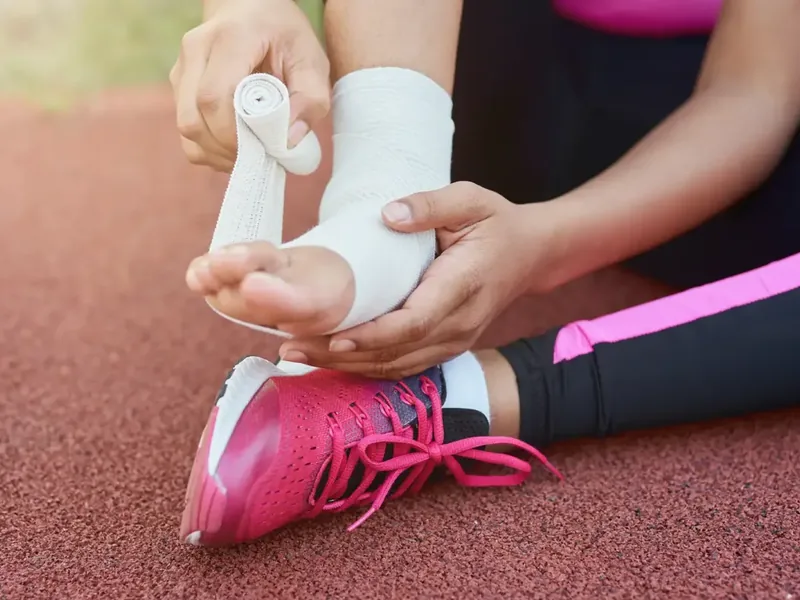
Sports Injuries
Sprains and overuse injuries, where taping most often bridges the days between visits.
Learn More →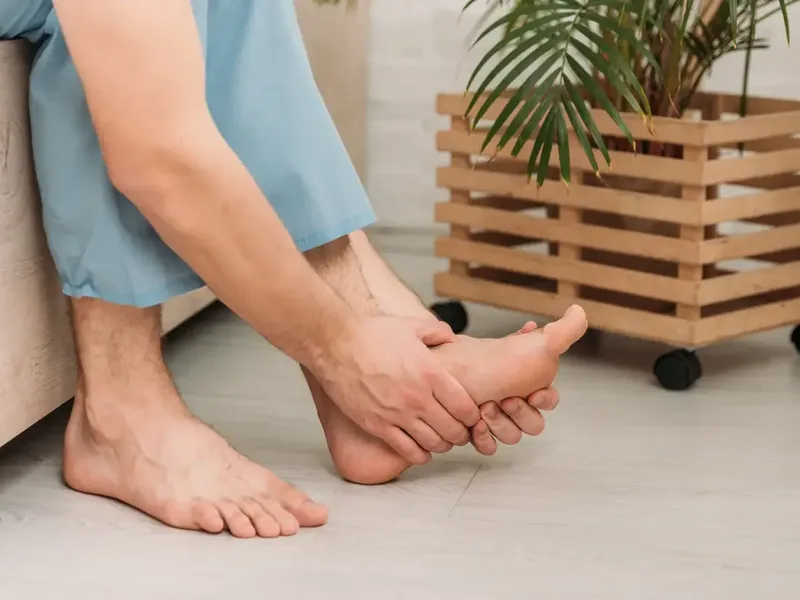
Foot & Ankle Pain
Rolled ankles, Achilles pain and plantar fasciitis, and the plan that stops the repeats.
Learn More →
Sports Rehab
The plan the tape supports: graded loading built around your sport and your return date.
Learn More →