Pediatric Therapy in Lake Charles
You were told he would grow out of it. Months on, you are still waiting. Pediatric physical, occupational and speech therapy in Lake Charles, under one roof, with the same therapist every visit.
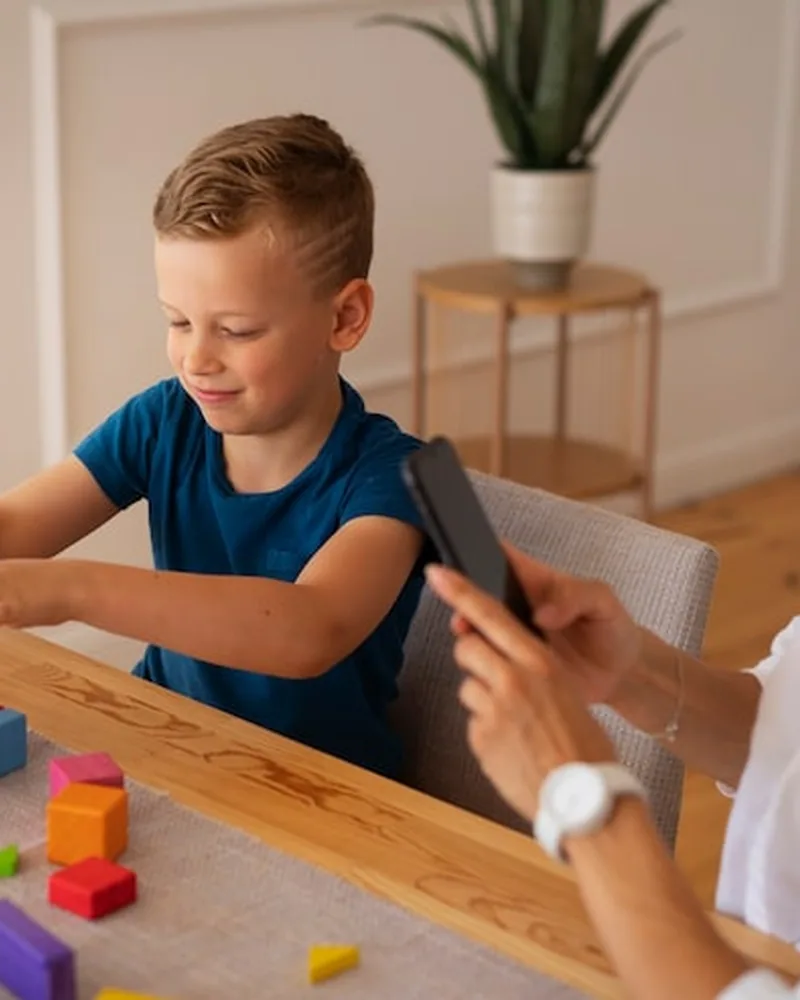
What is pediatric therapy?
Pediatric therapy is the same three disciplines you would find anywhere, delivered for a body and a brain that are still being built. Physical therapy works on gross motor skills: rolling, crawling, walking, running, balance and endurance. Occupational therapy works on the fine motor, sensory and daily-living skills that make school and home possible. Speech therapy works on feeding, understanding language, and getting words out. A child can need one of them or all three.
Children are not small adults, and pediatric therapy is not adult therapy with smaller weights. A four-year-old will not do ten sets because you asked. So the work gets built into play: obstacle courses, animal walks, swings, ball games, scooter boards, turn-taking games with a target sound in every round. It looks like fun because that is the only way to get the number of repetitions a developing nervous system needs. The clinical reasoning underneath it is exactly as deliberate as it would be for an adult after surgery.
The advantage of a multidisciplinary clinic is that nobody has to drive across town twice. Hope Therapy Center has licensed physical therapists, two occupational therapists (Dr. Karleigh Nunez, OTD, OTR/L, whose doctoral research was on medically complex infants and children, and Dr. Abie Cudd, OTD, LOTR) and four speech-language pathologists in the same building. When a child sees more than one discipline here, those therapists talk to each other about the same goals rather than working in parallel and hoping it adds up.
Who it's for.
You do not need a diagnosis to book an evaluation, and you do not need to justify the worry. If something has been bothering you for months, that is the reason. These are the families we see most.
The child who is behind on a milestone
He is not crawling, not walking, not talking, or not doing it the way his older sister did at that age. You have been told to wait and check again at the next well visit. An evaluation tells you which skills are actually delayed, which are on track, and whether therapy is warranted. Outcome: an answer instead of another six months of watching.
The child who needs more than one therapy
Speech at one clinic, occupational therapy at another, and you are the one carrying information between them. Here, physical, occupational and speech therapy sit in the same building and coordinate around one set of goals. Outcome: fewer appointments across town, and a plan that pulls in the same direction.
The child with a neurological diagnosis
A brain or nerve condition, a difficult birth, a long NICU stay, low or high muscle tone. This work is slower and it is measured in function: sitting unsupported, taking steps, holding a spoon, being understood. Dr. Karleigh Nunez (OTD, OTR/L) brings PPEC and inpatient rehab experience to exactly these cases. Outcome: real, documented gains, and a family who knows what to do at home.
What to expect in a session.
Sessions run 30 to 60 minutes with the same therapist each visit, and parents are welcome in the room. Here is how one goes.
An evaluation that looks like play
We start with your history and your concerns, in your words. Then we get on the floor. Standardized developmental testing gets mixed into games so we can see what your child can actually do rather than what they will tolerate being asked. Depending on the referral question, that means watching them move, climb, grip, draw, listen, follow directions, talk, chew or swallow. You leave the first visit knowing which skills are delayed, by roughly how much, and what the plan is.
The session itself, and you are in it
Treatment happens in a calm, sensory-friendly space, not a loud open gym, which matters more than most families expect. Every activity is chosen to load one target skill and pitched just past what your child can already do, and it gets harder the moment it gets easy. You are in the room, watching the setup, learning the cues, seeing exactly what a good repetition looks like. Most plans run two to three visits a week for four to six weeks before we reassess.
Home plan and honest progress checks
You go home with two or three specific things to practice, built into routines you already have, such as bath time, the car, meals and bedtime. Your therapist re-measures on a schedule and tells you plainly whether it is working, and many families notice a change within the first few weeks. If your child needs a discipline we do not think is warranted, or needs a physician's input, we will say so rather than keep booking visits.
Book around naps and snacks if you can, and bring anything already written down: pediatrician notes, birth or NICU records, a school or Early Steps evaluation, a hearing screening, and a short list of the specific things that worry you. A tired, hungry child gives us a false picture of their ability, and a comfort item helps more than you would think. Some plans require a physician referral or prescription for pediatric therapy, and our front office verifies your specific benefits, deductible and visit limits before the first appointment so you know what your plan needs and what you will owe.
We loved working with Mrs Sarah! She helped us so much! Highly recommend!
Where to go next.
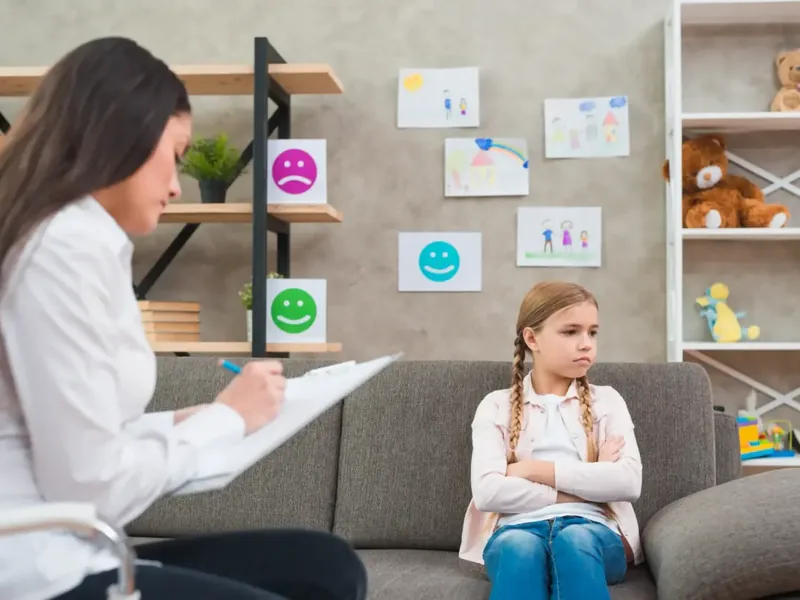
Pediatric Neurological Disorders
How we build function, one skill at a time, when the nervous system is part of the picture.
Learn More →
Pediatric Balance Disorder
The child who falls more than the others, avoids the playground, or cannot keep up. What is behind it.
Learn More →
Occupational Therapy
Rebuilding the daily skills that matter: dressing, writing, feeding, focus and independence at home and school.
Learn More →