Pelvic Floor Therapy in Lake Charles
You have been told this is just part of having children, or just part of getting older. It is neither. Pelvic floor symptoms respond to targeted therapy, and the evaluation is private, unhurried and led by a specialist.
What causes pelvic floor problems?
Leaking on a sneeze. Urgency that maps your whole day around bathrooms. Pressure or pain nobody warned you about. These symptoms are common, and being common has made them easy to dismiss. These muscles support your organs, control your bladder and bowel, and stabilize your low back and hips. When they stop doing that well, the cause is usually mechanical, and mechanical problems have answers. Sophie Hedlesky, PT, is our pelvic floor specialist, and she sees people at every stage: newly postpartum, years postpartum, before or after pelvic surgery, and well past menopause.
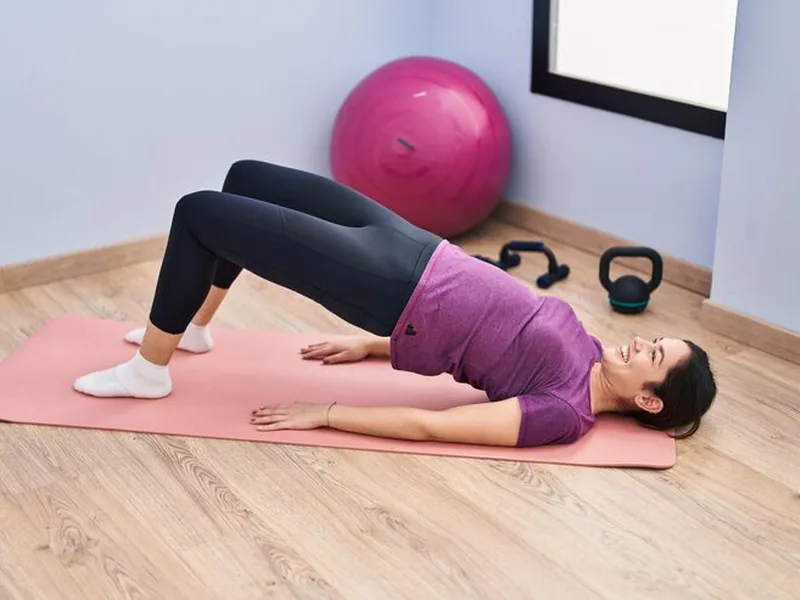
Carrying a pregnancy loads the pelvic floor for months, and delivery can stretch or tear both the muscles and the nerves that drive them. Tissue heals on its own timeline, but coordination and strength rarely come back without being retrained. This holds after a vaginal birth and after a caesarean, because the abdominal wall and the pelvic floor function as one system.
Not every pelvic floor problem is a weak pelvic floor. Muscles held in a constant low-grade clench become painful, lose range and stop responding on command, which can produce leaking, urgency and pain all at once. Kegels make that pattern worse, which is why people who have done them faithfully for months often feel no better. The assessment identifies which pattern you actually have before a single exercise is prescribed.
Hysterectomy, prostate surgery, hernia repair and caesarean delivery all change how load travels through the pelvis. Scar tissue glides less freely than the tissue it replaced, so the muscles around it compensate and fatigue. Restoring mobility in the scar and retraining what surrounds it often settles symptoms written off as permanent.
Years of pushing to empty, hovering over the seat, going preemptively, or holding on through a full workday teach the pelvic floor the wrong reflexes. The muscles learn to brace when they should release and release when they should hold. Habit retraining costs nothing to start and is frequently the change that moves symptoms fastest.
Falling estrogen thins pelvic tissue, reduces its elasticity and lowers the threshold at which the bladder signals urgency. That is a genuine physiological change, and it is not the whole story. Strength, coordination and load tolerance stay trainable at any age, and improving them changes daily symptoms.
The pelvic floor never works alone. It fires alongside the deep abdominals, the diaphragm and the hip and gluteal muscles, and when any of those underperform the pelvic floor absorbs load it was never built to carry. That is why pelvic symptoms so often arrive together with low back or hip pain, and why we treat the whole system rather than the floor in isolation.
Running, lifting and jumping are not off limits, but they demand a pelvic floor that can absorb and return force quickly. When capacity sits below the demand, symptoms show up in the third mile or the fourth set. Building capacity first, then reintroducing impact in measured steps, is what gets people back to the training they actually want.
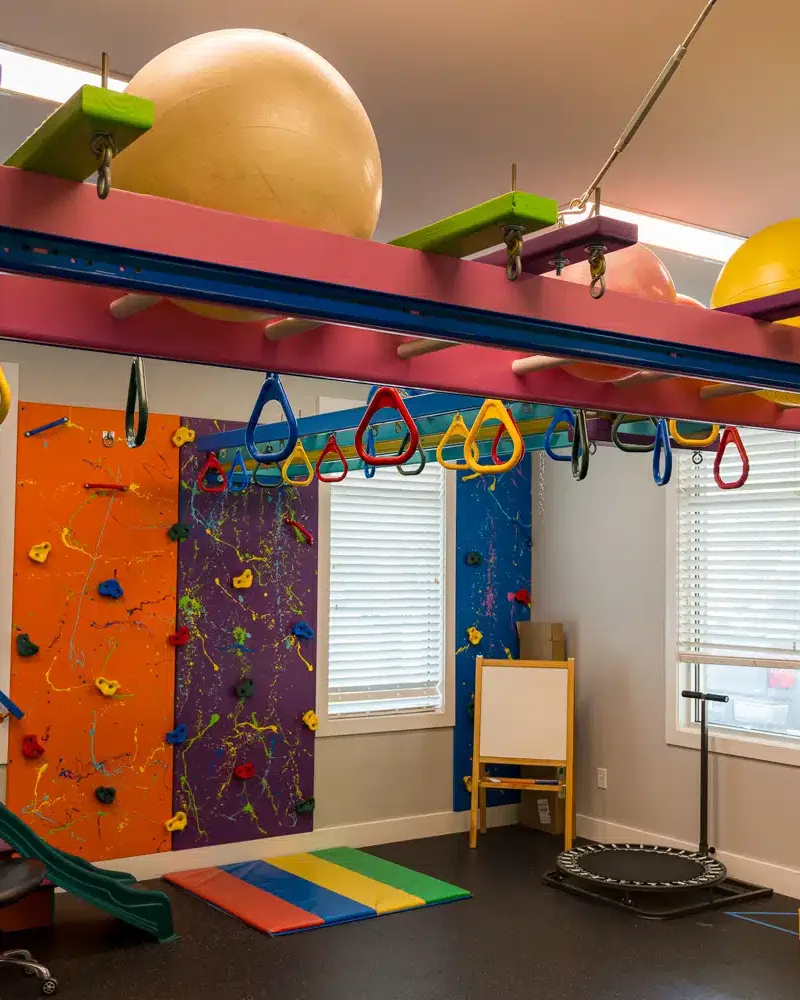
How pelvic floor therapy in Lake Charles helps.
Pelvic floor therapy here starts with a conversation, not a procedure. Sophie Hedlesky, PT, takes a full history: what your symptoms are, when they began, what makes them worse, and what you actually want to get back to. The examination then looks at how you breathe, how you brace, how your hips and low back move, and how the pelvic floor responds under demand. Every part of it is explained before it happens, you consent to each step, and you can decline any of it and still leave with a working plan. Nothing is rushed, and nothing happens in a shared space.
Treatment then follows the four phases we use across the clinic: Pain, Prime, Perform, Prevent. Pain work settles the symptoms dominating your day. Prime restores range, release and voluntary control so the muscles do what you ask when you ask. Perform builds strength and load tolerance through the core, hips and pelvic floor together, at intensities that match your real life. Prevent hands the plan over to you. Most people attend two to three visits a week for four to six weeks, sessions run 30 to 60 minutes, and many notice a change within the first few weeks. Louisiana is a direct access state, so you can start without a physician referral, and our front office verifies your benefits and visit limits beforehand so you know what you will owe.
What to expect from your care.
A private, unhurried evaluation
Your first visit is one-on-one in a private treatment room. We take your history, screen your breathing, core, hips and low back, and assess the pelvic floor only with your consent and only after explaining what we are checking and why. You leave knowing what is driving your symptoms and what the plan will be.
Retraining control, then adding load
Early sessions target whichever pattern the assessment found: release and downtraining for an overactive floor, activation and strength for an underactive one. As control improves we add load through the hips and trunk and bring back the activities you had cut out, one at a time.
Back to your life, with a plan you own
By the end you know which exercises matter, how to progress them, and what to do if a symptom returns after a hard week. We reassess regularly so you always know whether the plan is working. If your condition has not shown documented improvement within 30 days we refer you back to a physician and help arrange it.
Pelvic symptoms rarely travel alone.
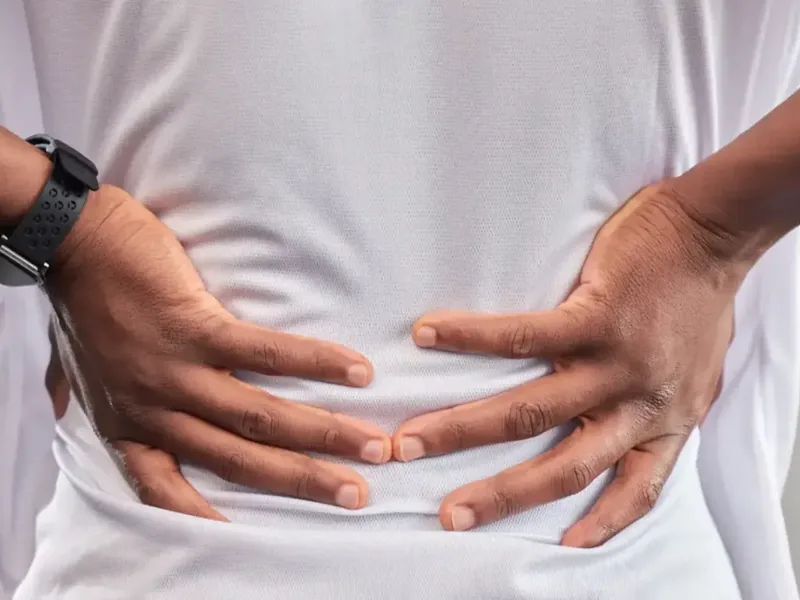
Back Pain & Sciatica
Find the driver of your low back and leg pain, then unload it, retrain it and keep it from returning.
Learn More →
Hip & Knee Pain
Hip and knee pain treated at the source, with strength and mechanics work that holds up under load.
Learn More →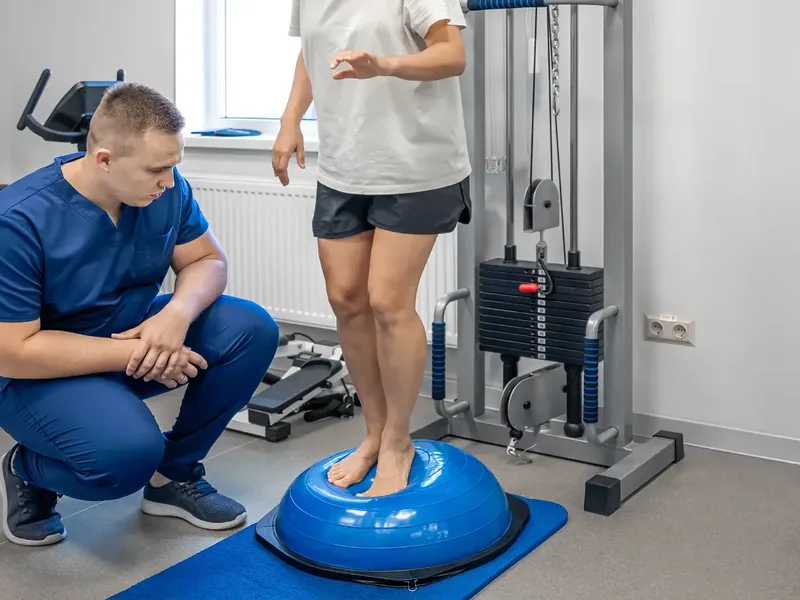
Balance & Gait Disorders
Steadier walking and fewer stumbles through targeted balance, strength and gait retraining.
Learn More →