Occupational Therapy in Lake Charles
Occupational therapy for children and adults in Lake Charles, focused on the ordinary tasks that have stopped being ordinary: buttons, pencils, shoes, mealtimes, showers, getting out the door.
What is occupational therapy?
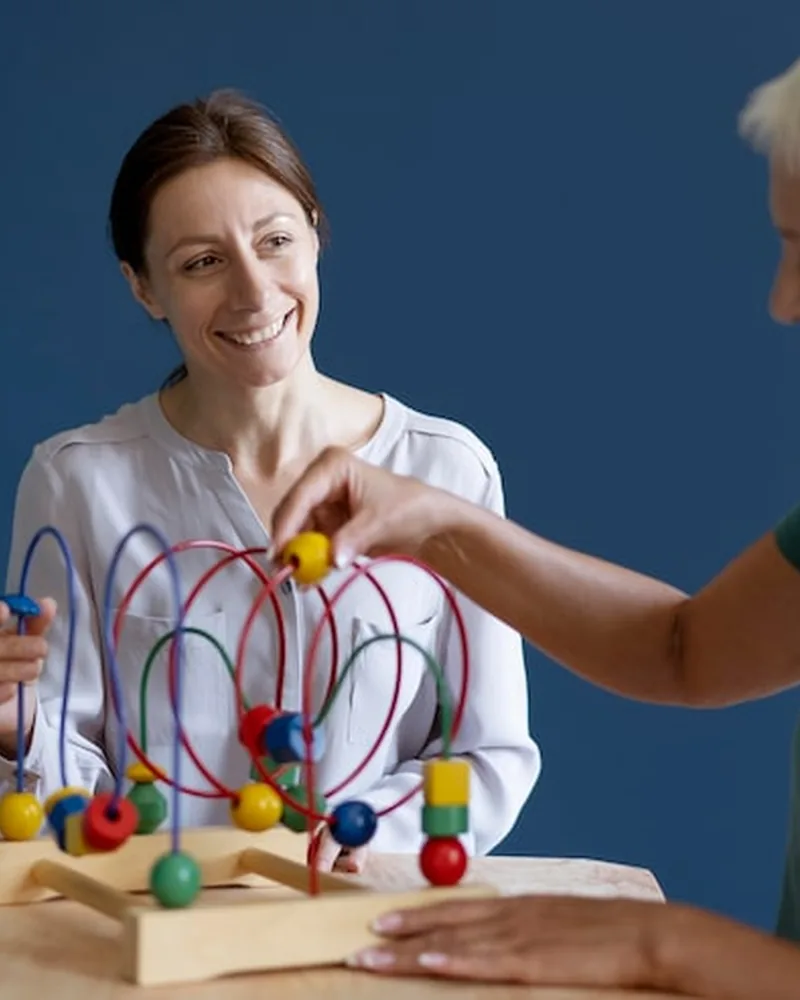
Occupational therapy is about the tasks a day is actually made of. Not exercise for its own sake: the buttons, the pencil grip, the fork, the shower, the shoelaces, the school worksheet, the ability to sit still long enough to finish it. When one of those breaks down, whether in a six-year-old or a sixty-year-old, an occupational therapist works out which underlying skill is missing and rebuilds it inside the real task.
Hope Therapy Center has two occupational therapists. Karleigh Nunez (OTD, OTR/L) completed her doctoral research on medically complex infants and children and brings PPEC and inpatient rehab experience, and she treats both pediatric and adult caseloads. Abie Cudd (OTD, LOTR) also treats here. That range matters more than it sounds: the person who understands a fragile infant's tolerance for handling is also equipped to work with an adult relearning how to dress after a hospital stay.
Occupational therapy is often confused with physical therapy, and the difference is simple. Physical therapy is largely concerned with how the body moves. Occupational therapy is concerned with what you can accomplish with that movement. Strength, range and coordination matter here, but only as far as they serve the task in front of you. That is why sessions can look like play, cooking, handwriting or getting dressed, and why they end with something you can do that you could not do before.
Who it's for.
You may have been told to wait it out, or that the school will handle it, or that this is just how he is. If a daily task is a daily fight, that is reason enough for an evaluation. These are the people we see most.
The child who dreads handwriting
He can tell you the answer out loud, but the page comes back a mess and homework turns into an hour of tears. Grip, hand strength, letter formation and endurance all get built here, in that order, with the actual worksheets you brought in. Outcome: writing that is legible and fast enough to keep up with the class.
The child overwhelmed by sensory input
Tags, seams, loud rooms, haircuts, wet hands, certain foods. What looks like defiance at the grocery store is often a nervous system that cannot filter. We find what her system is reacting to and build tolerance in small, deliberate steps instead of forcing it. Outcome: fewer meltdowns, and a family that can go places again.
The adult relearning daily tasks
After a stroke, a hospital stay or a hand injury, dressing takes forty minutes and someone else is cutting your food. Occupational therapy retrains the movements and, where the hand will not fully return, changes the method or the tool so the task still gets done. Outcome: less help needed, and dignity back in your own bathroom and kitchen.
What to expect in a session.
Sessions run 30 to 60 minutes, one on one, with the same therapist every visit. Here is how one goes.
The evaluation starts with your list
We ask what is hard, in your words, and we want specifics: the shirt, the spoon, the third page of homework, the church service you left early. Then we test the pieces underneath it, such as grip and pinch strength, fine motor control, coordination, visual and motor skills, sensory responses and attention to task. You leave the first visit knowing which skill is the bottleneck and what we plan to do about it.
The work happens inside the real task
Occupational therapy sessions rarely look like a gym. They look like scissors, putty, obstacle courses, tongs and beans, shoe tying, buttons, a keyboard, a plate of food. Every one of those is chosen because it loads the exact skill we are rebuilding, and it is graded just past what you can already do. For children, that means it usually looks like play, and it is not accidental. Most plans run two to three visits a week for four to six weeks before we reassess.
It has to work at home and at school
Progress that only happens in our building is not progress. Parents stay in the room, learn the setup and take home two or three things to practice, not a packet. We will write down what helped so you can hand it to a teacher, and we will tell you plainly when a tool such as a pencil grip, a seat cushion or a built-up utensil is doing more good than another month of drills. Many families notice a change within the first few weeks.
Bring the actual objects that are giving trouble to the evaluation: the pencil and worksheet, the shoes with laces, the utensil, the shirt with buttons, plus any school or pediatrician reports you already have. It saves a whole visit of guessing. Some plans require a physician referral or prescription for occupational therapy even though Louisiana does not require one to start physical therapy. Our front office verifies your specific benefits, deductible and visit limits before your first appointment and tells you exactly what your plan needs and what you will owe.
Started coming to get my Son Occupational Therapy, and he Loves his therapist she is super sweet and it has a wonderful atmosphere here very relaxing and calm, no loud noises.
Where to go next.
Pediatric Sensory Disorder
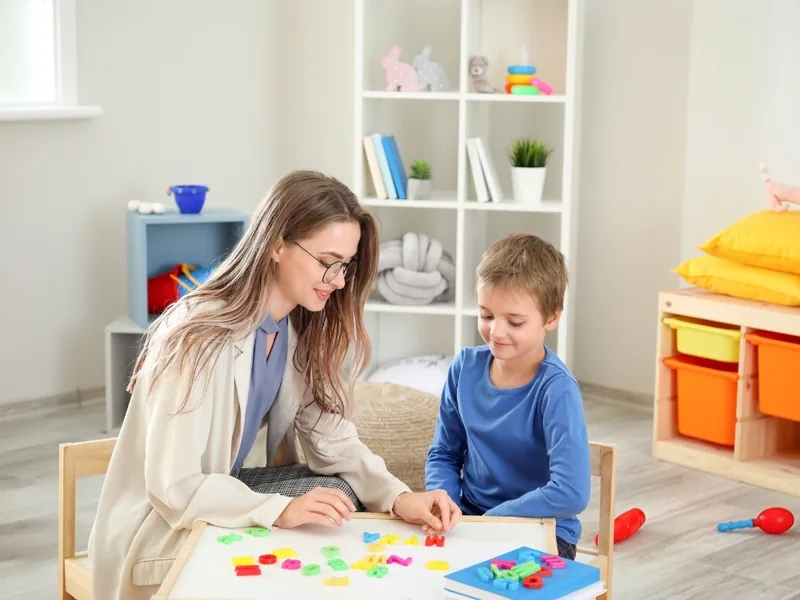
When textures, noise and touch set off a reaction the rest of us do not feel. How we build tolerance step by step.
Learn More →
Pediatric Dysgraphia
Writing that is slow, painful or unreadable is a skill problem, not a laziness problem. See how we treat it.
Learn More →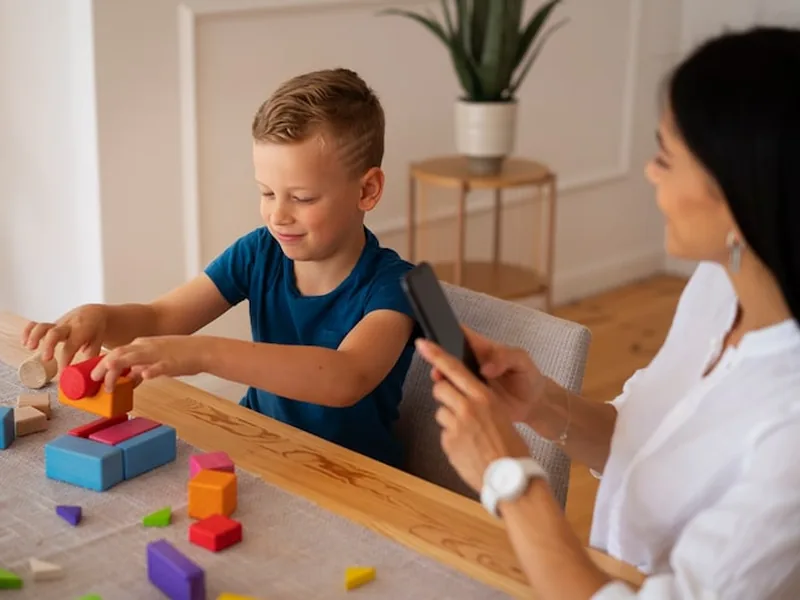
Pediatric Therapy
Play based therapy that helps children reach motor, speech and sensory milestones with confidence.
Learn More →