Geriatric Physical Therapy in Lake Charles
You have been told that slowing down is just your age. Some of it is. Most of what gets blamed on age is strength and balance, and both of those still answer to training.
What is geriatric physical therapy?
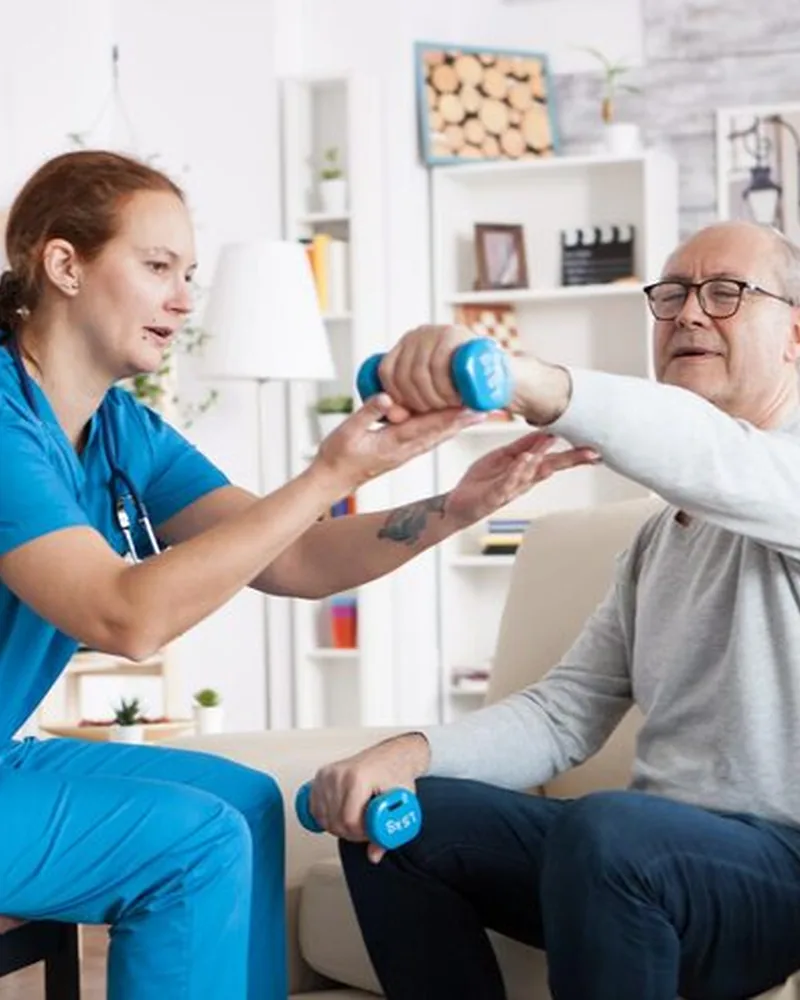
Geriatric physical therapy is physical therapy built around the three things that actually threaten independence later in life: losing strength, losing balance, and falling. They are connected. Strength fades quietly, most of it in the hips and legs, until getting out of a low chair needs a push off the arms. Balance reactions get slower, so a catch that used to be automatic becomes a stumble. And once somebody has had one bad stumble, they move more carefully, do less, and get weaker still, which makes the next fall more likely instead of less. Breaking that loop is the whole job. The work itself is not gentle busywork and it is not a seated routine. Older adults get stronger the same way everybody else does, through resistance that is genuinely challenging for them, progressed as they adapt. What changes is the care taken choosing each exercise, the attention to how you tolerate it, and the fact that every drill is picked to buy back something specific: getting off a low toilet without a grab bar, carrying a bag up the porch steps, standing long enough to cook a meal, walking to the mailbox on uneven ground.
The other thing this program treats is what a fall does to a person's willingness. Fear of falling predicts future falls nearly as well as weakness does, because it makes people shorten their stride, stare at the floor and steer by furniture, all of which make balance worse. So we train balance the way it is actually used: standing, turning, reaching, stepping over things, on more than one surface, with a therapist close enough to catch you. Confidence comes back from proof, not from reassurance. Every visit is a full block of one-on-one time with the same licensed physical therapist.
Who it's for.
You do not need a diagnosis or a fall to qualify. If a task you used to do without thinking has started to require planning, that is the moment. Three situations bring most older adults in.
After a fall, or a near one
You went down in the kitchen, or you caught yourself on the counter and it frightened you. The result: a fall risk assessment finds the specific weakness or balance deficit behind it, and training addresses that instead of leaving you to be careful forever.
Getting weaker and slower
Chairs are harder to get out of, groceries feel heavier, and the stairs need a rail now. The result: progressive strength work through the hips, legs and trunk restores the power those tasks require, so ordinary days stop sitting at the edge of what you can manage.
After surgery or a hospital stay
A hip or knee replacement, a fracture, or a stretch in a hospital bed took more out of you than anyone warned it would. The result: a graded plan rebuilds walking distance, strength and steadiness so you return to your own routine rather than a smaller version of it.
What to expect in a session.
Nothing in the first visit is a test you can fail. It is a measurement, so we know where to start. Sessions run 30 to 60 minutes, and most people attend two to three times a week for four to six weeks before a formal reassessment.
Balance and strength assessment
Your therapist reviews your health history, your medications and any falls you have had, then measures the things that actually predict independence: how you rise from a chair, how far and how fast you walk, how you handle turns and uneven ground, and how long you can hold balance in different positions. We also look at the shoes and the cane or walker you really use, which is often where the first easy win is hiding.
Strength and balance training
The bulk of each visit is loaded, progressive work for the hips, legs and trunk, paired with balance training that looks like your life: standing while reaching, stepping over an obstacle, turning to answer the door, walking while carrying something. Your therapist stays beside you, adds difficulty the moment a task stops being difficult, and backs off on the days your body says to.
Home safety and carryover
The clinic is a few hours a week and your house is all the rest of it. We work through the places falls actually happen at your address: the step down to the garage, the loose rug, the bathroom, the dark hallway, and you leave with a short home program you will realistically do. Family is welcome in the session, because the people who help you should know what to cue and what to let you do yourself.
Bring the shoes you wear every day and the cane or walker you actually use, plus a current list of your medications, since some combinations affect blood pressure and balance more than people expect. A family member is welcome to sit in on the visit. Louisiana is a direct access state, so no physician referral is needed to start, and our front office verifies your benefits, deductible and visit limits before your first appointment so there are no surprises.
Hope Therapy is the best! I have worked with several people there and it has all been wonderful! I have been encouraged beyond my expectations.
Where to go next.
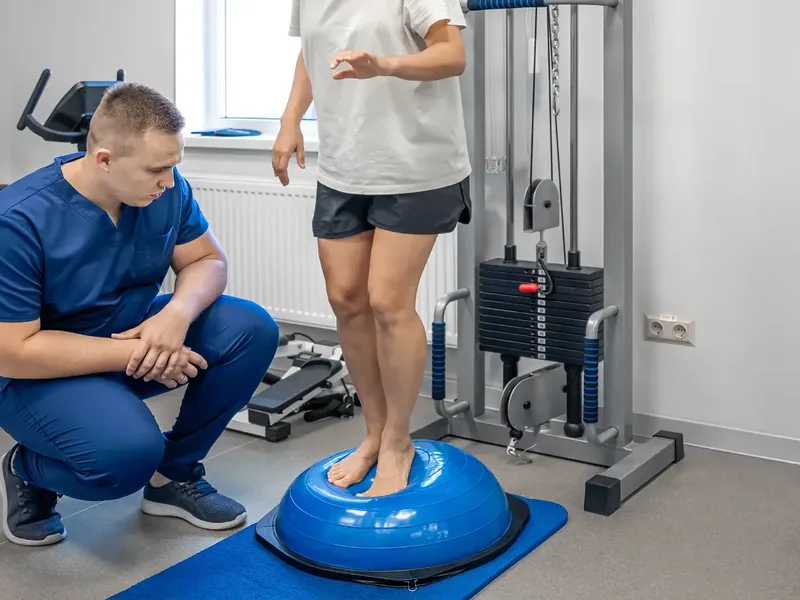
Balance & Gait Disorders
The condition behind most falls: what changes in how you walk, and how we retrain it.
Learn More →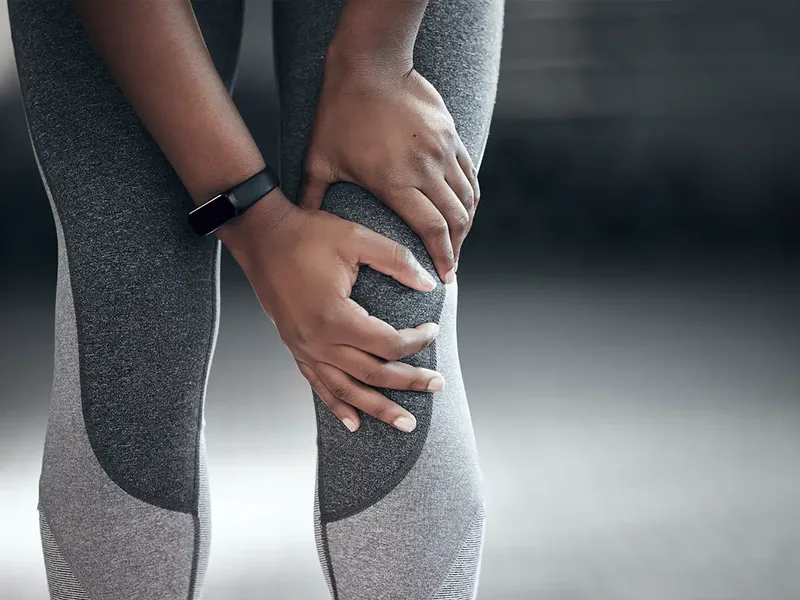
Hip & Knee Pain
Often the reason strength faded in the first place, and the first thing worth treating.
Learn More →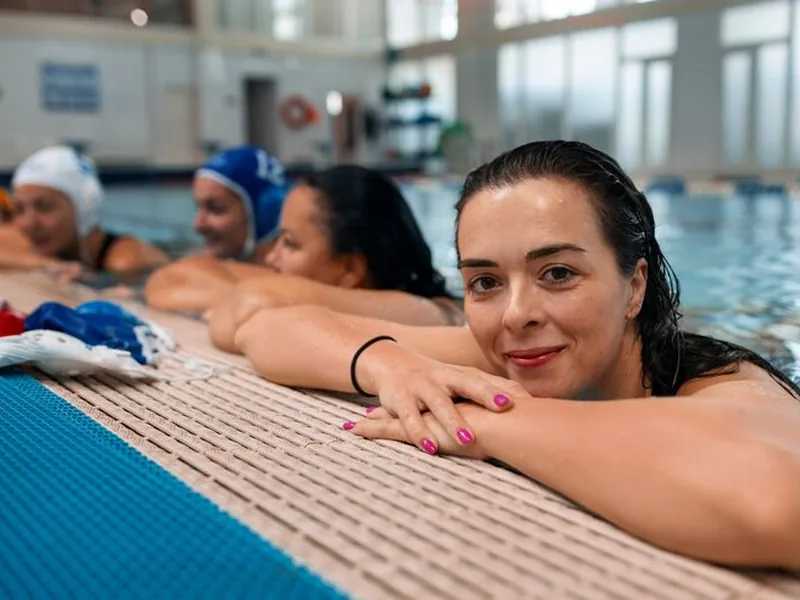
Aquatic Therapy
Warm water takes weight off sore joints, so you can train when land is still too much.
Learn More →